Five Non-Sentimental Wedding Readings for Your Ceremony
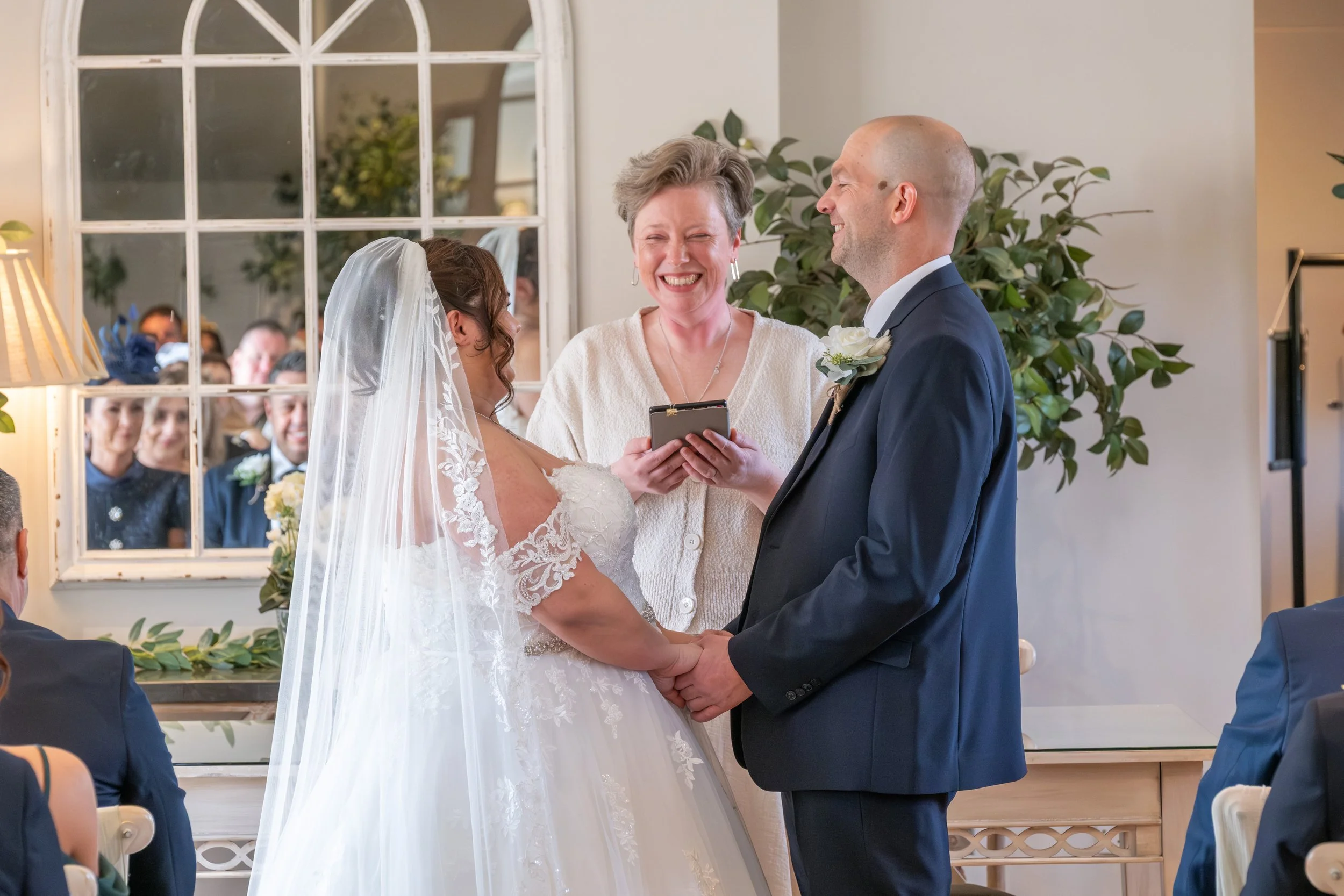
Looking for non-sentimental wedding readings that still have something meaningful to say about love? These five readings leave grand declarations behind and find romance in maintenance, favourite mugs, shared planets, cups of tea and the everyday business of building a life together.
Finding a wedding reading when you’re not particularly sentimental
You can be wildly in love with someone and still find some of the traditional language of love a bit much.
Perhaps you don’t recognise your relationship in declarations of destiny and eternal devotion. Perhaps you want something funny, thoughtful or a little more grounded. Or perhaps the words that move you are the ones that recognise what loving another person actually looks like on a Wednesday morning when someone needs to buy milk.
If you’re searching for non-sentimental wedding readings, these five pieces find meaning in the practical, peculiar, imperfect experience of sharing your life with another person.
1. “Atlas” by U.A. Fanthorpe
“There is a kind of love called maintenance”
I adore the premise of this poem. Fanthorpe writes about a kind of love we don’t always celebrate: the kind that remembers the insurance, plants the bulbs, meets the train, deals with the dentist and knows where the WD40 lives.
There are no sweeping declarations here. Love is revealed through attention and responsibility, through noticing what needs doing and helping to keep the elaborate structure of another person’s life standing.
Among these non-sentimental wedding readings, Atlas would be particularly lovely for a couple who recognise themselves in the practical ways they care for each other. Perhaps one of you always remembers to book the MOT. Perhaps somebody knows when the other has forgotten to eat. Perhaps your relationship has been built through thousands of small acts that would look completely unremarkable to anybody else.
You can explore more of U.A. Fanthorpe’s poetry and hear recordings of her work at the Poetry Archive.
How to use it in your ceremony
This is a wonderful reading for a parent, sibling or long-standing friend who knows what your relationship looks like behind closed doors.
You could also introduce it with a couple of real examples of the “maintenance” in your own relationship before handing over to your reader. Suddenly a poem about WD40 becomes unmistakably about the two of you.
2. “Dust” by Harry Baker
“It’s the spectacular normality of loving you”
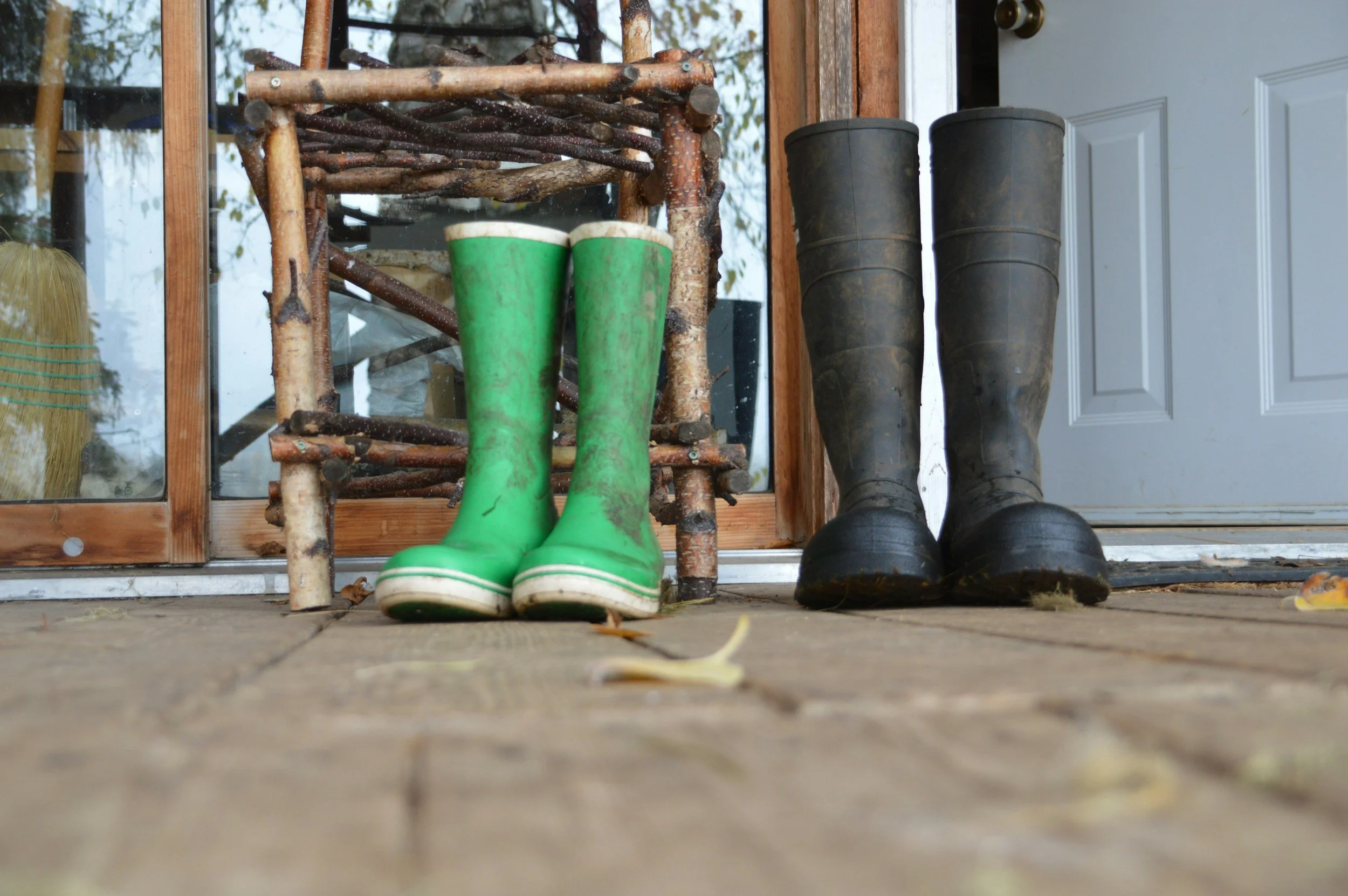
Harry Baker's Dust is full of the stuff of actual shared life: weeding in the mud, a favourite mug, sharing food and waking up beside the same person again and again. Love isn't treated as something that happens to two people once. It is something they have built and continue to build.
I particularly love its attention to consistency. There is something deeply romantic about being known well enough that someone automatically includes a couple of spoonfuls for you because they know you're going to say you're not hungry and then eat some of theirs anyway.
This would suit a couple who find the significance of their relationship in the life they have created together, particularly if the thought of a very earnest wedding reading makes you want to hide behind your chair.
How to use it in your ceremony
Dust has a strong spoken rhythm, so choose somebody who can read it conversationally and allow the humour to land without trying too hard to perform it. It could work beautifully after the story of your relationship, especially if your ceremony has already included details about the routines, habits and tiny acts of care that make your life recognisably yours.
3. “You Don’t Fall in Love Like You Fall in a Hole” by Jeanette Winterson
“Away you go, falling into someone else’s orbit and after a while you might decide to pull your two planets together and call it home.”
Jeanette Winterson imagines falling in love as leaving your own private planet and making a giant jump towards somebody else's. Eventually you might decide to bring the two planets together, along with your friends, favourite stories, dog, cat, hamster and collection of odd socks.
It is playful, strange and rather wise.
I love that neither person has to disappear for the relationship to exist. You arrive with a whole planet of your own, discover somebody else's and begin creating something together.
It makes this a particularly good wedding reading for couples who value independence as much as togetherness, or who have built a shared life while remaining very recognisably themselves.
How to use it in your ceremony
This one can take a confident, playful delivery. Give it to someone who will enjoy the imagery and won't feel the need to make it sound solemn simply because they're standing at the front of a wedding ceremony.
If your shared planet genuinely does contain dogs, cats, odd socks or peculiar collections, all the better.
4. “I Take” by Imtiaz Dharker
“I take / you as you are”
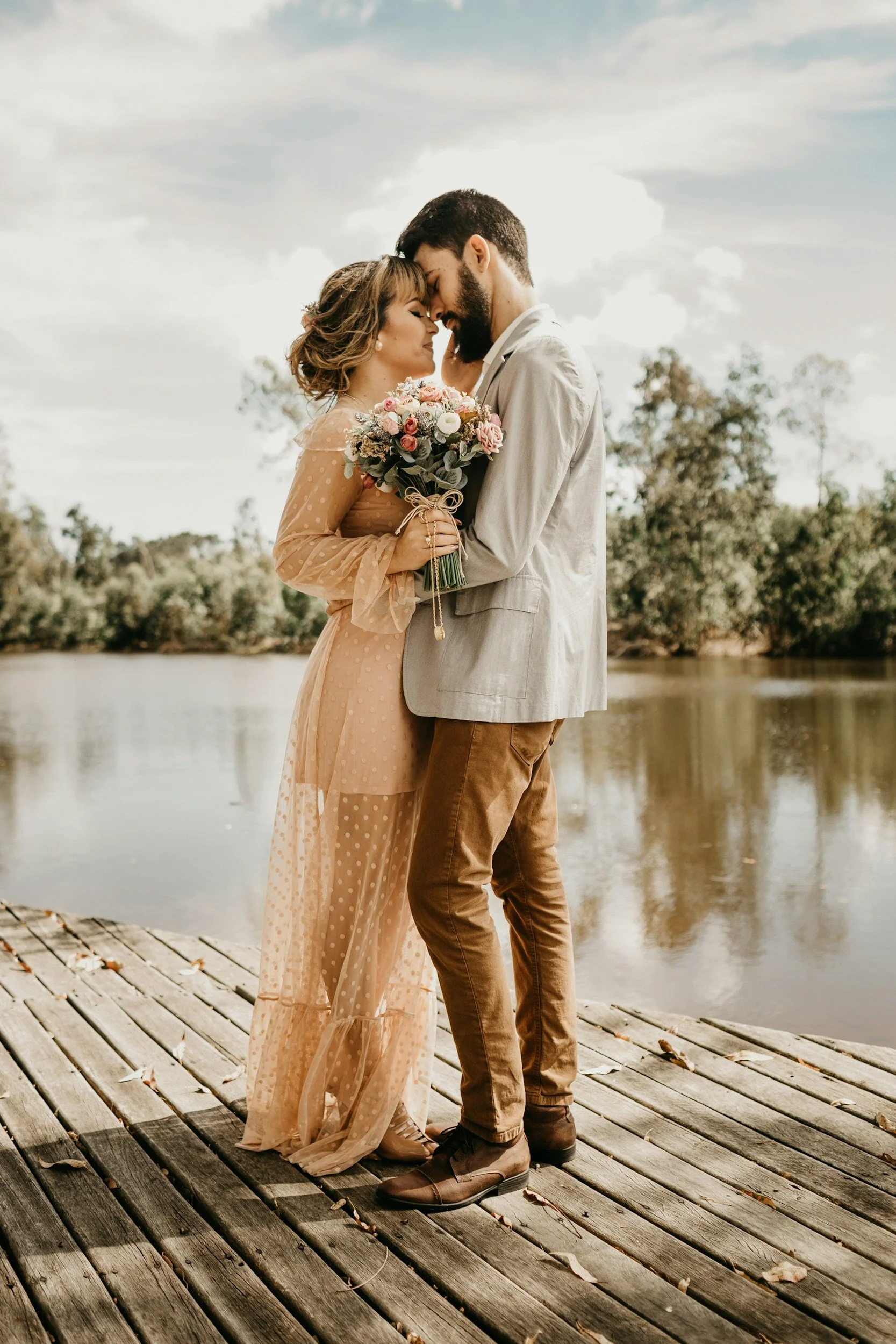
I Take plays with some of the most recognisable language of a wedding ceremony and turns it into something much more alive.
Dharker takes the traditional “to have and to hold” and stretches it, questions it and has some fun with it. There is closeness without holding too tightly, promises without pretending anybody can control what comes next, and eventually two people far too busy taking tea with “buttered hope” to answer when death comes calling.
For couples who like the significance of traditional wedding language while wanting words that feel more human, playful and contemporary, this is a gorgeous choice.
How to use it in your ceremony
I'd place this close to the vows or ring exchange.
Its repeated “I take” naturally echoes the language of commitment, so it can create a beautiful bridge into your own promises without asking the reading to explain marriage on your behalf.
It would also be wonderful when read by someone who understands its humour and can resist rushing through the short lines.
5. “Everyday Vows” by Kaylin Weir
“we built a life
we want to stay inside.”
I love how much of a relationship Kaylin Weir manages to capture in this poem without making a grand declaration about love.
There's the dishwasher being unloaded, the unexpected iced coffee, the shared Netflix show that nobody watches ahead, and the particular intimacy of being the first person someone calls with good news or bad.
It's funny because it's familiar. And it's moving because, underneath all those ordinary details, there's something rather wonderful going on: two people have made a life together that they genuinely enjoy living.
I think this would be a gorgeous wedding reading for a couple who don't particularly identify with the language of soulmates or destiny, but who recognise the extraordinary good fortune of having found someone they want to share all the ordinary days with.
How to use it in your ceremony
This would be lovely read by a close friend or sibling who knows your relationship well enough to recognise some of the details.
The short lines and little shifts in tone give the reading a lovely conversational quality. There's no need to perform it dramatically. Let the humour land, give the quieter moments a little space, and trust the words to do their work.
I'd particularly love to hear this after the story of your relationship, when your guests have already been given a glimpse of the everyday life you've built together.

How to choose between these non-sentimental wedding readings
Start with recognition.
Which one makes you think, Oh God, that's us?
Do you recognise yourselves in the maintenance of Atlas, the everyday consistency of Dust, Winterson's two planets, Dharker's playful commitment or the small, familiar acts of love in Everyday Vows?
Then ask yourselves:
What does this reading say that we genuinely believe about love?
Does it add an idea that isn't already being expressed elsewhere in our ceremony?
Who would understand these words and deliver them naturally?
Do we want this moment to make our guests laugh, reflect, soften or recognise something about us?
Where would the reading make sense within the wider journey of the ceremony?
Read your favourites aloud too. A wedding reading is ultimately going to be heard, and words can feel very different in your mouth than they do on a screen.
Bringing your reading into the ceremony
A reading doesn't need to arrive without explanation.
Your celebrant can tell your guests why you've chosen it, introduce the person reading it or connect its central idea to something they've already learned about your relationship.
Its position can change its meaning too. Atlas could deepen a section about the life you've built. I Take could lead directly into your vows. Everyday Vows could bring warmth and recognition after your guests have heard the story of your relationship.
The question to ask is “What do we want this reading to do here?”
If you'd like more inspiration, you can also explore my five modern readings for a celebrant wedding, with choices from songs, film, essays and contemporary writing.
If you've been searching for non-sentimental wedding readings, I hope these have reassured you that meaningful doesn't have to mean earnest or overly romantic. The words you choose can be funny, practical, peculiar, thoughtful, literary or gloriously specific to the life the two of you actually share.
Create a ceremony that sounds like you
If you've been searching for non-sentimental wedding readings, I hope these have reassured you that meaningful doesn't have to mean earnest or overly romantic.
The words you choose for your wedding ceremony can be funny, practical, peculiar, thoughtful, literary or gloriously specific to the life the two of you actually share.
Choosing readings is one small part of the work we do together through The Ceremony. We look at your relationship, the people who matter to you and what you want everyone in the room to understand and experience, then design a ceremony around all of it.
If you'd like me to create and conduct your wedding ceremony, enquire about your wedding date. I would love to hear what you are imagining.
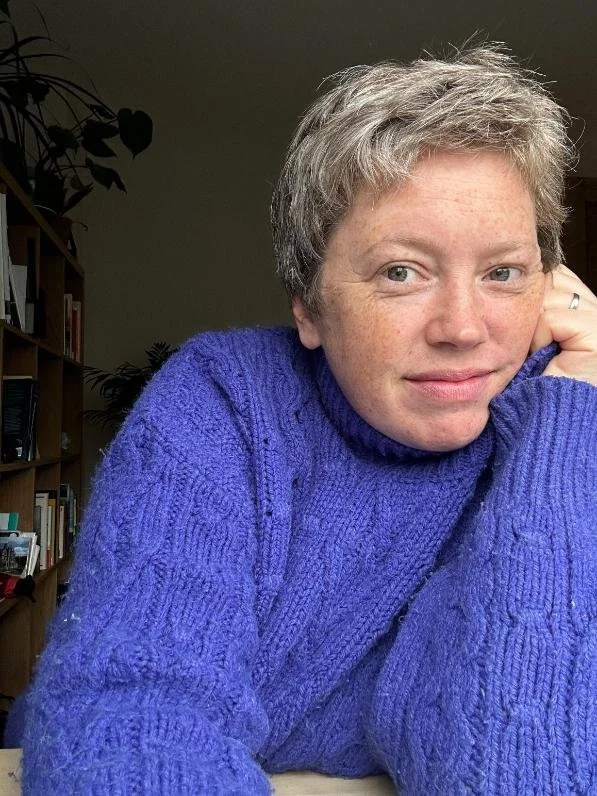
Hello! I’m Sinéad, an independent celebrant based in the UK.
I’m a big believer that your wedding ceremony should the final highlight of an extraordinary journey. A once-in-a-lifetime opportunity to notice, celebrate and share the significance of your relationship with the people you love. I love hearing people’s stories, celebrating love in all its forms and helping couples create a day that feels relaxed, joyful and completely their own.
Come and discover more about my ceremonies here, or pop over and say hello on Instagram here.
Some questions you might have…
-
Look for writing that reflects something you genuinely recognise about your relationship rather than something that simply sounds romantic. Humour, everyday routines, friendship, independence, practical care and the reality of building a life together can all make wonderful subjects for a wedding reading.
-
No. Some of the best wedding readings weren't written for weddings at all. Poems, novels, essays, films and songs can all contain ideas about love, partnership, friendship or commitment that feel completely at home in a ceremony.
-
Absolutely. Humour can make a reading feel incredibly personal, particularly if being very earnest in front of everyone doesn't feel like you. The important part is choosing something whose humour reveals something about your relationship rather than including a funny reading simply for a laugh.
-
Around one to three minutes usually works well. Read the piece aloud before making your final decision and think about its role within the ceremony as a whole. A longer reading can work beautifully when every part earns its place, while a few carefully chosen lines can sometimes say everything you need.
-
Absolutely. Choosing the reading is only part of the job. Your celebrant can help you find words that suit your relationship, decide where they belong, choose who might read them and introduce them in a way that connects them to everything happening around them.
Wedding ceremony services for couples
I offer two ways to work with me, depending on whether you would like me to create and lead your ceremony or help you create it yourselves.